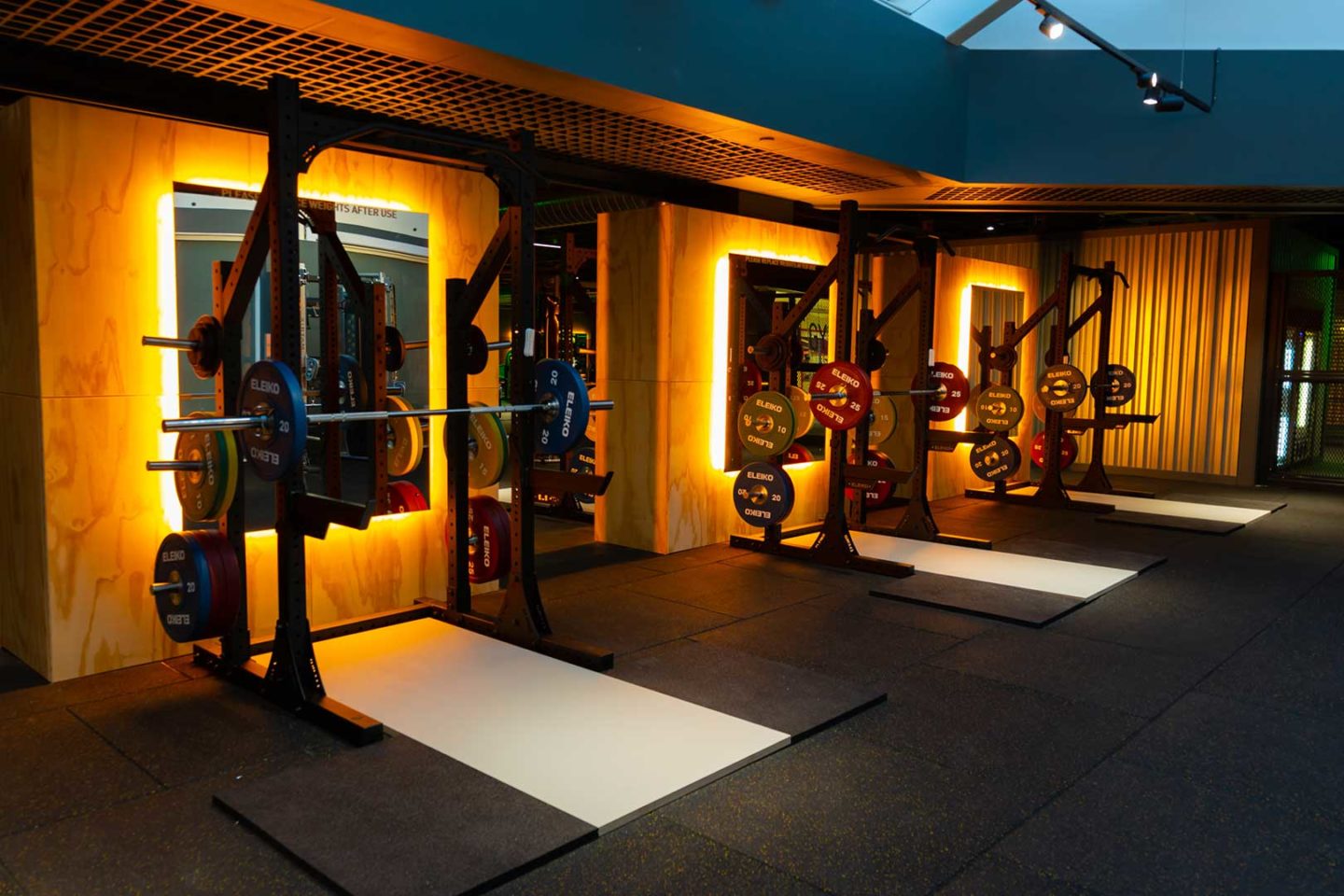
Physical well-being plays a significant role in the student experience. University recreation facilities often serve as a hub for promoting a healthy lifestyle and fostering a sense of community. These spaces offer a variety of opportunities for exercise, sports, and wellness activities, contributing to the overall well-being of students and staff. Explore more in our Student Gyms & Fitness collection.
💡 Quick Key Takeaways:
- Core Overview: Key practical insights and authoritative breakdown of Liverpool Uni Gym.
- Target Scope: Designed for actionable application, self-study, and practical guidance.
- Best Practice: Review the core recommendations step-by-step for the most effective outcome.
The core offering typically involves a wide array of fitness equipment, including cardio machines, weightlifting areas, and functional training zones. Many facilities provide group fitness classes, ranging from yoga and Pilates to high-intensity interval training (HIIT) and spinning. Dedicated sports halls often accommodate various indoor sports such as basketball, badminton, and volleyball. Some centres may also feature swimming pools, squash courts, and climbing walls. For more related activities, check out our Horfield Leisure.
These recreational spaces are most actively used during term time, particularly in the evenings and on weekends. Usage may fluctuate depending on academic schedules, exam periods, and seasonal changes. Early mornings can also be popular with those seeking to exercise before classes or work. Special events, such as fitness challenges or sports tournaments, may draw larger crowds at specific times. Discover more free resources across our collection library.
University recreation centres are generally located on campus, offering convenient access for students and staff. Public transportation, such as buses and trains, often serves the university area, making it easily reachable from various parts of the city. Walking and cycling are also viable options for those living nearby. Specific directions and opening hours can usually be found on the university’s website.
Access to university fitness facilities typically involves membership fees or pay-as-you-go options. Student memberships are generally offered at discounted rates. Some classes or activities may require additional fees. It is advisable to check the pricing structure and available packages to determine the most suitable option. Budgeting for regular physical activity can be a worthwhile investment in overall health and well-being.
When utilizing university fitness facilities, it’s important to familiarize oneself with the rules and regulations. Proper attire and footwear are usually required. Booking classes in advance is often recommended, especially for popular sessions. Respecting other users and maintaining cleanliness are essential. It is also wise to consult with a fitness professional or healthcare provider before starting any new exercise regime.
Accessing university recreational spaces provides valuable opportunities for physical activity, stress reduction, and social interaction. Engaging in regular exercise can enhance academic performance, improve mental health, and foster a sense of belonging. The availability of diverse fitness options and convenient location make these facilities a significant asset to university life. Consider exploring other on-campus resources, such as sports clubs and wellness programs, for a comprehensive approach to health and well-being.
Overview & Summary Table
| Category Parameter | Standard Recommendation | Key Objective |
|---|---|---|
| Foundational Setup | Follow verified guidelines | Ensure baseline consistency & safety |
| Practical Implementation | Step-by-step execution | Maximize efficiency & avoid common errors |
| Quality Verification | Regular checkpoint review | Achieve optimal and reproducible results |
Images References