

Located in the heart of Athens, a significant historical site stands as a testament to Roman influence and intellectual pursuit. Its ruins evoke a sense of grandeur and scholarly purpose, offering a glimpse into ancient Athenian life during the Roman era. The site is particularly relevant for those interested in history, archaeology, and the evolution of urban spaces.
💡 Quick Key Takeaways:
- Core Overview: Key practical insights and authoritative breakdown of Hadrians Library.
- Target Scope: Designed for actionable application, self-study, and practical guidance.
- Best Practice: Review the core recommendations step-by-step for the most effective outcome.
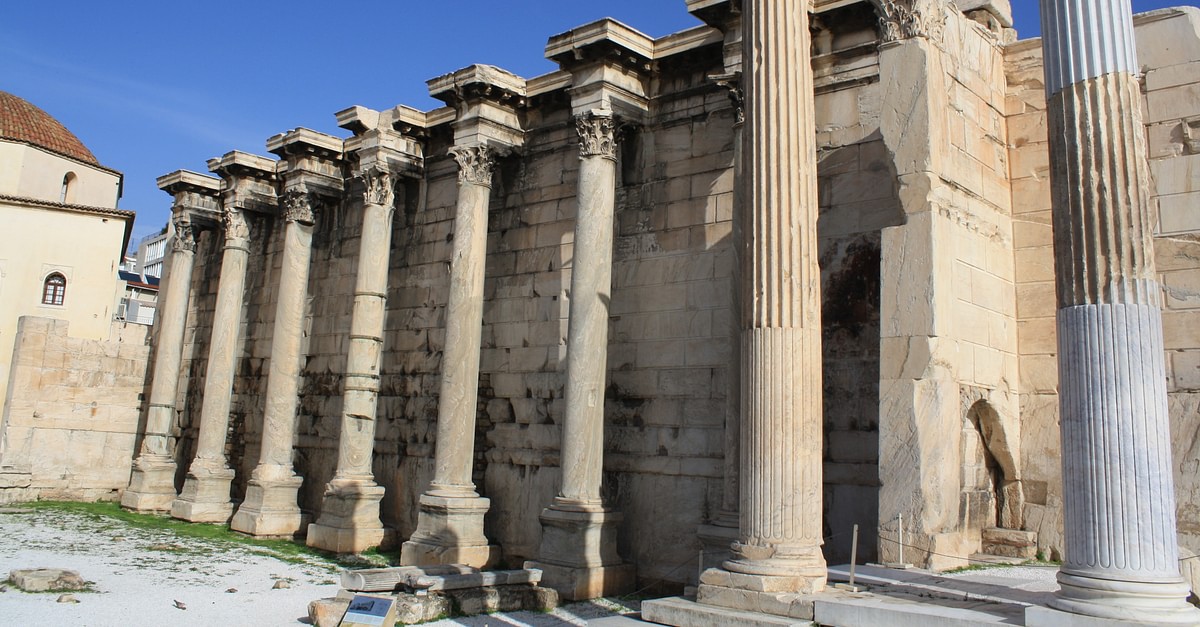
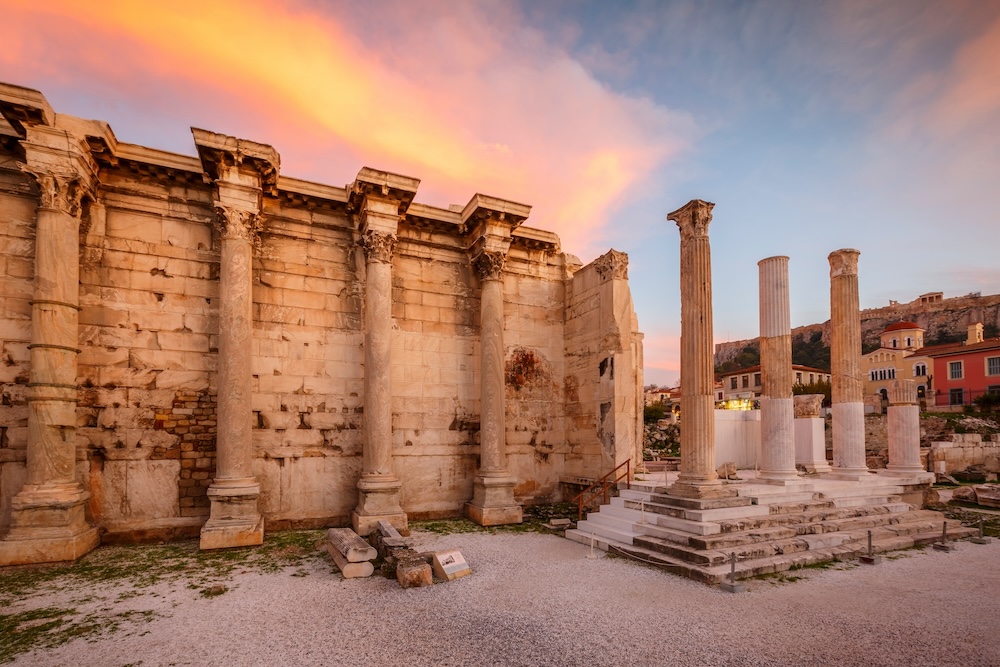
The sites primary features include the remnants of a once-extensive library, lecture halls, and gardens. The imposing facade, though partially reconstructed, provides a powerful visual of the original structure. Exploring the excavated areas reveals intricate architectural details and gives insight into the site’s function as a center for learning and cultural exchange. For more related activities, check out our Airyhall Library.
The site is generally accessible year-round, but visiting during the spring or fall offers the most pleasant weather for outdoor exploration. Early morning or late afternoon visits can provide a more serene experience, away from the peak tourist crowds. The site’s historical significance is enhanced by the soft light of dawn and dusk.
The site is easily accessible via the Athens Metro system, with a station located nearby. Numerous bus lines also service the area, making it convenient to reach from various parts of the city. Walking is a viable option for those already in the city center, allowing for a more immersive experience of the surrounding historical district.
While entrance fees apply, they are generally reasonable and often included in combination tickets for multiple archaeological sites. Costs associated with visiting typically include transportation, entry fees, and optional guided tours. Budget-conscious travelers can explore the site independently using readily available informational resources.
It is advisable to wear comfortable shoes, as the terrain can be uneven. Bringing water and sun protection is recommended, especially during the warmer months. Taking the time to read informational signage can greatly enhance the experience. Respectful behavior is expected when visiting this historical location.
This historical location provides a valuable opportunity to connect with the rich history of Athens and the lasting influence of Roman civilization. Its central location makes it a convenient addition to any itinerary, particularly when combined with visits to the nearby Ancient Agora or the Roman Agora.
Overview & Summary Table
| Category Parameter | Standard Recommendation | Key Objective |
|---|---|---|
| Foundational Setup | Follow verified guidelines | Ensure baseline consistency & safety |
| Practical Implementation | Step-by-step execution | Maximize efficiency & avoid common errors |
| Quality Verification | Regular checkpoint review | Achieve optimal and reproducible results |
Images References
Images References





For more essential advice and resources, browse our curated library for student archive for practical tips and student guides.
